A series that became a phenomenon, Downton Abbey followed the lives of the privileged Crawley family in England during the early years of the 20th century. Equally important, the show also dramatized the lives of those who worked for the family in the household and on the grounds of a sprawling and gorgeous country estate. As a capstone to the immensely popular series, original creator Julian Fellowes, who won an Academy Award for writing Gosford Park, has written a film version, also titled Downton Abbey, which lavishly expands the story to the big screen. What do you need to know before going?
First, what's the setup of the show?
The show focuses primarily on two groups: the wealthy Crawley family and the extended group of workers who serve their every need, without much notice or complaint.
Who are the main characters?
The Crawley family is led by Robert Crawley (Hugh Bonneville) and his American wife, Cora Crawley (Elizabeth McGovern). They have three children: Mary (Michelle Dockery), Edith (Laura Carmichael) and Sybil (Jessica Brown Findlay); Robert's mother, Violet (Maggie Smith) is a frequent visitor.
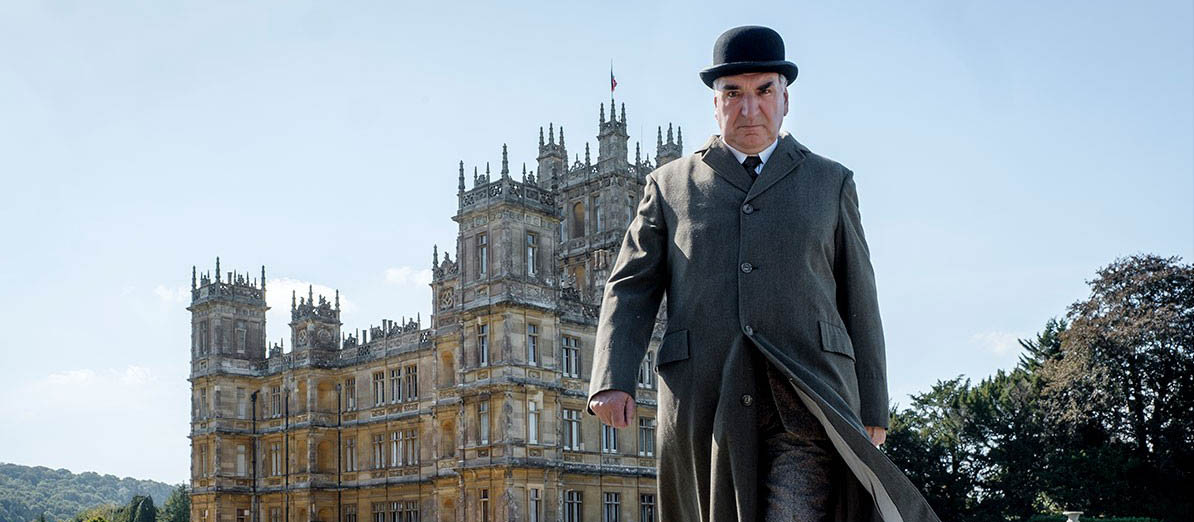
The support staff is led by Mr. Carson (Jim Carter), the butler, and Mrs. Hughes (Phyllis Logan), the housekeeper. They are aided and abetted by an often-changing group of domestic and general estate workers.
We don't want to spoil anything, but not every character remained with the show during its six seasons.
What has been the show's overall arc?
Much of the drama emanated from how a traditional, aristocratic family was buffeted by the tumultuous cultural changes of the 20th century. Early on, this became evident in how the family and their servants were affected by the after-effects of the Great War (a.k.a. World War I). As the seasons and years passed, everyone had to deal with the sometimes devastating fallout from various crimes, personal tragedies and continually changing circumstances, which brought both joy and unexpected trials.
What happened during each of the six seasons?
In 1912, tragedy strikes as Lady Mary's intended husband, Patrick, dies; he was also the presumptive heir to the estate, throwing the Crawley family into tumult as a distant relative, Matthew (Dan Stevens) becomes the next heir. Both Mary and Matthew are resistant to the aristocratic traditions of the family, causing conflict. Among the household help, new valet Bates and secretly gay footman Thomas clash.
Fun fact: The series was originally envisioned as a spinoff from Fellowes' award-winning Gosford Park, but instead developed into a series that addressed changing times in British during the earlier years of the 20th century.
The second season begins as the world continues at war. Mary and Matthew, denying their attraction to each other, each become engaged to someone else. Sybil becomes involved with new chauffeur Tom (Allen Leech). Bates is convicted of a murder charge and sentenced to die.
Fun fact: The exterior shots of the Crawley Estate -- and many of the interior locations -- are filmed at the real-life Highclere Castle in Hampshire.
In the third season, Mary and Matthew break off their previous relationships, admit their love, and marry. Tragedy strikes a Crawley family member more than once, leaving everyone grieving. Tom becomes a force for modernization on the estate.
Fun fact: Dan Stevens, who left the series after the third season, says that he "wanted a chance to do other things." Since then, Stevens has starred in The Guest and Apostle, among others, and can now been seen in TV's Legion.
Moving further into the 1920s, the fourth season finds Mary teaming up with Tom in running the estate. Edith, who has always experienced troubles with suitors, finds love and give birth, though tragedy strikes.
Fun fact: Researchers visited more than 30 country houses in England to help them decide how the Crawley Estate's kitchen should look.
In 1924, the fifth season addresses anti-aristocracy feelings that are arising more and more, along with disparagement toward commoners; this affects the Crawley family, their estate workers and friends as well. Loyal servant Anna becomes a suspect in a murder. Three key characters announce huge changes they will be making in their lives.
Fun fact: On the show and the class differences it depicts, creator Julian Fellowes commented: "My father came from a very minor posh family, and my mother did not. So I grew up going to deb parties, but to her it was all quite amusing."
The sixth season sees many changes during 1925. Economic changes in Britain affect the Crawley estate and the household staff must be reduced. Edith takes greater charge at a magazine she publishes. Anna faces further challenges as her relationship with Bates takes a major turn.
Fun fact: Many of the gorgeous vintage clothes were found in second-hand stores in Scotland and then restored. Some clothing has also been purchased in Paris.
Why has the show been such a success?
The characters have always been developed with empathy and performed with kindness and gentility, qualities that are often in short order in films and television shows. It's true that the Crawley family enjoys uncommon wealth and privilege, but the responsibilities that come with that have always been fairly presented.
As far as the working class is concerned, they too are depicted with compassion and sympathy. They must often struggle with their own limitations, including physical challenges, societal pressures and cultural prejudices. They must also come to grips with living and working in surroundings that are overwhelmingly grand, which remain out of reach to those of lesser fortune. Yet the series has always been noted for its warmth, humanity and understanding.
What accolades has the show received?
Downton Abbey has won a Golden Globe Award, a BAFTA award and a Primetime Emmy Award. It was the most-watched show during both its British and American broadcasts and became one of the most popular shows in the world.
The first season of Downton Abbey won a Golden Globe Award as Best Miniseries or Television Film and was nominated for three other awards. It won a BAFTA award for Best Drama Series and three Primetime Emmy Awards for Outstanding Miniseries or Movie; actress Maggie Smith, writer Julian Fellowes and director Brian Percival also won Emmys.
For the second season, Maggie Smith won another Primetime Emmy Award and the show earned two other Emmy Awards and 14 other nominations.
Accolades continued to accumulate for the show's third, fourth, and fifth seasons, earning many nominations and topped by the show winning a Screen Actors Guild Award for Outstanding Performance by an Ensemble in a Drama Series.
For the sixth season, Downton Abbey received a BAFTA Special Award and Maggie Smith once again won a Primetime Emmy for Outstanding Supporting Actress in a Drama Series.
It was the most-watched show during both its British and American broadcasts and became one of the most popular shows in the world.
When can we see it?
Focus Features will release Downton Abbey only in theaters on September 20. Sign up for a FanAlert and be the first to know when tickets and other exclusives are available in your area.